


PSCP TRIFECTA
April 24 @ 8:00 am - 4:30 pm
PSCP TRIFECTA
Earn credits for all 3 mandatory workshops, Child Abuse, Suicide, and Ethics
Friday, April 24, 2026
All Day Training
Location: Online Workshop
Updated Child Abuse and Trafficking Recognition and Reporting Training for Mandated Reporters in Pennsylvania: 2025-2027 Update
Presented By: Linda K. Knauss, Ph.D. ABPP
Registration: 7:45am Program: 8:15am to 11:15am
3 CE credits
Act 31 Credits
Act 48 Credits Available
Important note: Even if you have taken this course during your last licensing period, this course is updated, allows for new CE credits, and satisfies your new requirement with the state of Pennsylvania in this new licensing period.
In accordance with a Pennsylvania mandate for all health care professionals and funeral directors, PSCP: The Psychology Network presents this three hour workshop to discuss the obligation of mandated reporters and moral obligation of permissive reporters to report reasonable suspicions of child abuse and child labor and
sexual trafficking.
Objectives:
- Identify the various categories of child abuse.
- Recognize common indicators of child abuse/when there may be reasonable cause to suspect a child is a victim of child abuse.
- Understand the mandatory reporting requirements for suspected child abuse.
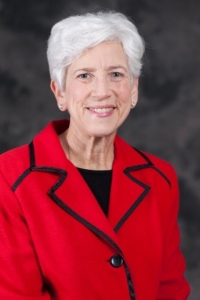 Linda K. Knauss, Ph.D., ABPP, is a professor at Widener University’s Institute for Graduate Clinical Psychology. She has served as the Chair of the Ethics Committees of the American Board of Professional of Professional Psychology, the American Psychological Association, the Pennsylvania Psychological Association and as Co-chair of the Philadelphia Society of Clinical Psychologists’ Ethics Committee. Dr. Knauss has authored several book chapters and journal articles on ethics and has taught ethics at many local universities as well as continuing education workshops on a variety of topics in ethics.
Dr. Knauss is the past-president of the Pennsylvania Psychological Association, the Pennsylvania Psychological Foundation, and the Philadelphia Society of Clinical Psychologists. She was also a member of the American Psychological Association’s Council of Representatives (2000-2006; 2013-2018 representing Pennsylvania). Dr. Knauss is the recipient of a 2015 APA Presidential Citation for her work in APA as well as the recipient of the 2002 Ethics Educators Award presented by the Pennsylvania Psychological Association’s Ethics Committee, and the recipient of the 2004 Pennsylvania Psychological Association Distinguished Service Award.
Dr. Knauss maintains a private practice where she sees children, adolescents, adults and families.

Risk factors and warning signs associated with suicide with children, adolescents, and adults
Presented By: Kyle Holsinger, Psy.D.
Registration: 11:15am Time: 11:45am to 12:45pm
1 CE Credits
There are over 47,000 deaths by suicide annually in the Unite States. This session will focus on specific areas related to the risk factors and warning signs of suicidality for children, adolescents, and adults. Attendees will be asked to participate in utilization of the information presented to apply in case examples.
Objectives:
- Describe and articulate Risk factors of Suicide for children, adolescent and adult populations.
- Describe and articulate Warning Signs of Suicide for child, adolescent and adult populations.
- Utilize screening and assessment principles to identify those at risk for suicidal thoughts and actions.
 Kyle Holsinger, Psy.D. is a licensed psychologist in the state of Pennsylvania, and he received a Doctorate of Psychology degree from the Philadelphia College of Osteopathic Medicine in 2005. He is currently the Clinical Director at Hopewell Psychology, and former Clinical Director at Springfield Psychological, and former Executive Director for Delaware County Professional Services (DCPS). He has a special interest in Behavioral Health / Primary Health Care Integration, and has collaborated and presented with numerous internal medicine, family medicine and pediatric offices. Dr. Holsinger has a special interest in treating populations with chronic medical conditions.

The Ethics of Working with Persons from Low-Income and Economic Marginalization (LIEM) Backgrounds in Psychotherapy
Presented By: Richard Kutz, Psy.D., ABPP
Registration 1pm Program: 1:30pm to 4:30pm
3 CE Credits
Act 48 Credits Available
This session is designed in 3 parts with each part intended to fill an hour of the session length, inclusive of breaks on the hour. The first part examines the realities and systemic nature of poverty and deep poverty, the second part examines the impact of poverty across different areas of health/well-being, and the third part emphasizes empirically supported applications relative to cultural competence working with persons from LIEM backgrounds.
Objectives:
- Describe at least 2 behavioral differences between my current behaviors and the behaviors of a patient living in LIEM.
- List at least 2 forms of systemic inequality affecting persons living in LIEM.
- Analyze the psychological impact of scarcity and systemic inequality
- Identify at least 2 areas in my practice as welcoming to a person living in LIEM
 Richard Kutz, Psy.D., ABPP, serves as the Psychology Department Chairperson for Conemaugh Health System. A board-certified clinical health psychologist, he is the behavioral science faculty member for the CHS Family Medicine Residency and the program director for the CHS psychology internship program. Dr. Kutz earned his M.Ed., M.S., and Psy.D. from Indiana University of Pennsylvania. He teaches as an adjunct faculty member with University of Pittsburgh-Johnstown and has previously taught in the Master’s of Cancer Care program at St. Francis University as well as the Doctor of Clinical Psychology program at Indiana University of Pennsylvania. Clinical interests include trauma recovery and advocacy for victims of sexual violence and integrated primary care. Dr. Kutz is serving as the current chair for the Integrated Care Committee for the Pennsylvania Psychological Association and as an associate member on The Rural Committee with the American Society of Metabolic and Bariatric Surgeons. When not working, he can most readily be found outside usually spending time with his sons.
PSCP: The Psychology Network is approved by the American Psychological Association to sponsor continuing education for psychologists. PSCP: The Psychology Network maintains responsibility for this program and its content.