


Working with the Challenges of Defense and Anxiety to Promote Rapid Therapeutic Change
February 21, 2020 @ 3:30 am - 7:00 am
Working with the Challenges of Defense and Anxiety to Promote Rapid Therapeutic Change
Friday, February 21, 2020
Registration 8:30am Program 9am to 12pm
Presented By: Steve Shapiro, Ph.D.
PCOM 4170 City Avenue Philadelphia, PA 19131
Rowland Hall 340B/C
3.0 CE Credits
In this workshop, participants will learn to compassionately, efficiently and effectively intervene to transform resistance with challenging patients who have a history of trauma, a high degree of resistance, or excessive anxiety and dysregulation. Because these barriers are universal, therapists of all orientations will benefit from acquiring a systematic skill set that implores clients to abandon destructive coping patterns once necessary for survival which have long outlived their usefulness and are now a source of untoward suffering. These innovative techniques will robustly expand your clinical toolkit, regardless of your existing approach. The workshop is well suited for therapists at all levels of experience as it will start with basic, introductory concepts and progress to increasingly complex problems and methods.
Objectives:
- Explain how to reliably track patients’ position on the triangles and determine when the patient is functioning in the realm of feeling, defense or anxiety.
- Demonstrate how to use knowledge about the patients position on the triangle to guide therapeutic interventions.
- Explain concrete steps to restructure defenses and reduce barriers to connection in the therapy relationship.
- Establish ways to track and regulate anxiety so that it is in an optimal range.
- Demonstrate skills for accessing internal affective resources and unconscious material so they are available for therapeutic exploration.
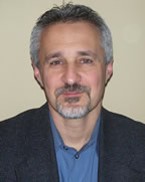 Steve Shapiro, Ph.D. is a clinical psychologist who maintains a full-time private practice in suburban Philadelphia and has over twenty-five years of clinical and teaching experience. He has been practicing various forms of Experiential Dynamic Therapy (EDT), since the mid-1990’s. These approaches include Intensive Short-Term Dynamic Psychotherapy (ISTDP), and Accelerated Experiential Dynamic psychotherapy (AEDP). He is a Senior Faculty and founding member of the AEDP Institute in New York City. Dr. Shapiro conducts lectures, workshops and ongoing training internationally. His presentations are often commended for translating complex clinical theory into clear, precise, and practical techniques which are easily understandable and readily applied immediately in clinical settings by therapists of all orientations.
For 16 years, Dr. Shapiro was the Director of Psychology and Education at Montgomery County Emergency Service (MCES), an emergency psychiatric hospital, where he worked with a range of severe disorders and those committed involuntarily to treatment. This intensive experience has helped inform his approach to transforming resistance with challenging patients who have a history of trauma, a high degree of resistance, or excessive anxiety and dysregulation.
PSCP: The Psychology Network is approved by the American Psychological Association to sponsor continuing education for psychologists. PSCP: The Psychology Network maintains responsibility for this program and its content.